

A Complete Wildlife Travel Guide
Kerala is usually associated with backwaters, beaches, hill stations and Ayurvedic retreats. But beyond the houseboats and tea gardens, the state has another side that is just as fascinating — its forests and wildlife.
The best wildlife sanctuaries in Kerala take you deep into the Western Ghats, where elephants move through dense forests, birds fill the treetops, and lucky visitors may spot deer, gaur, monkeys and other wild animals in their natural habitat.
From the famous forests of Thekkady and Wayanad to the dry forests of Chinnar and the bird-rich landscapes of Thattekad, wildlife sanctuaries in Kerala offer very different experiences depending on where you go.
Kerala has 18 officially listed wildlife sanctuaries spread across different parts of the state. Several of them are part of the larger protected landscapes of the Western Ghats, a globally important biodiversity region.
If you are planning a Kerala wildlife tour, here are some of the best places to include in your itinerary.
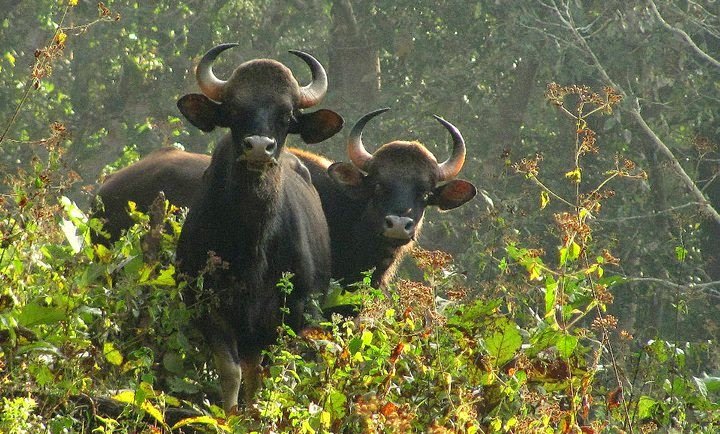
Best Wildlife Sanctuaries in Kerala at a Glance
| Wildlife destination | Best known for | Ideal for |
|---|---|---|
| Periyar Wildlife Sanctuary / Periyar Tiger Reserve | Elephants, forest landscapes, boat experiences | First-time wildlife tourists |
| Wayanad Wildlife Sanctuary | Elephants, forests and diverse wildlife | Families and nature lovers |
| Chinnar Wildlife Sanctuary | Dry forests, unique landscapes and wildlife | Adventure and nature enthusiasts |
| Parambikulam Wildlife Sanctuary / Tiger Reserve | Forests, wildlife and eco-tourism | Serious wildlife lovers |
| Thattekad Bird Sanctuary | Rich birdlife | Bird watchers |
| Neyyar Wildlife Sanctuary | Forests, reservoir and wildlife | Families and short trips |
| Peppara Wildlife Sanctuary | Western Ghats biodiversity | Nature lovers |
| Aralam Wildlife Sanctuary | Forests, birds and trekking | Offbeat travellers |
| Peechi-Vazhani Wildlife Sanctuary | Forest ecosystem and scenic landscapes | Nature escapes |
| Shendurney Wildlife Sanctuary | Biodiversity and Western Ghats forests | Eco-tourism enthusiasts |
1. Periyar Wildlife Sanctuary – Thekkady
If you are looking for one of the famous wildlife sanctuaries in Kerala, Periyar is usually the first name that comes to mind.
Located around Thekkady in Idukki district, Periyar is part of the Periyar Tiger Reserve and is one of Kerala’s most popular wildlife destinations.
The landscape is particularly famous for its forested surroundings and the Periyar Lake. Wildlife experiences here can include boat-based sightseeing and other forest activities conducted through the designated tourism programmes.
Elephants are among the animals visitors particularly hope to see, while the wider reserve supports a rich variety of mammals and birds. Kerala Tourism also highlights Periyar for its elephants, tigers and boat experiences on Periyar Lake.
Why visit Periyar?
- Excellent introduction to Kerala wildlife tourism
- Beautiful lake-and-forest scenery
- Good choice for families
- Popular with first-time wildlife visitors
- Easy to combine with a Thekkady or Munnar holiday
Best for
Families, couples, photographers, nature lovers and first-time wildlife tourists.
2. Wayanad Wildlife Sanctuary
For travellers heading towards North Kerala, Wayanad Wildlife Sanctuary is one of the top wildlife sanctuaries in Kerala to consider.
Wayanad’s forest landscape forms part of the larger Western Ghats ecosystem and is known for its rich biodiversity.
The sanctuary is associated with elephants and other wildlife, while the surrounding Wayanad region offers forests, waterfalls, viewpoints, plantations and tribal-cultural experiences.
Kerala Tourism describes Wayanad Wildlife Sanctuary as an important destination for nature lovers and wildlife enthusiasts, with opportunities for wildlife spotting and trekking experiences in designated areas.
Why visit Wayanad Wildlife Sanctuary?
- Beautiful Western Ghats scenery
- Excellent combination of wildlife and hill-station experiences
- Suitable for multi-day Wayanad holidays
- Good choice for nature photography
- Can be combined with other attractions in Wayanad
Best for
Families, couples, photographers and nature lovers.
3. Chinnar Wildlife Sanctuary
Chinnar offers a completely different experience from the lush forests that many travellers associate with Kerala.
Located in Idukki district near the eastern side of the Western Ghats, Chinnar has a relatively dry landscape, with grasslands, forests and rocky terrain.
This unique environment supports wildlife such as the grizzled giant squirrel, sambar deer and Indian muntjac. Kerala Tourism specifically highlights Chinnar’s grasslands and shola forests and its diverse wildlife.
The surrounding Marayoor region also makes this an interesting stop for travellers exploring the Munnar–Marayoor side of Kerala.
Why visit Chinnar?
- Different landscape from typical Kerala forests
- Interesting wildlife habitats
- Excellent for nature lovers
- Close to Marayoor and the Munnar region
- Good option for an offbeat wildlife experience
Best for
Nature enthusiasts, photographers, trekkers and travellers looking for something beyond conventional Kerala sightseeing.
4. Parambikulam Wildlife Sanctuary
Parambikulam is another important name among the best wildlife sanctuaries in Kerala.
The sanctuary forms part of the Parambikulam Tiger Reserve and is located in the Western Ghats. The protected landscape is known for its forests, biodiversity and eco-tourism experiences.
For travellers who want a more immersive forest experience, Parambikulam can be a rewarding addition to a Kerala itinerary.
It is particularly attractive for people who prefer forests and nature experiences over conventional tourist attractions.
Why visit Parambikulam?
- Extensive forest landscape
- Rich biodiversity
- Tiger reserve ecosystem
- Eco-tourism opportunities
- Excellent choice for serious nature enthusiasts
The Kerala Forest Department lists Parambikulam among the state’s wildlife sanctuaries and identifies it as a tiger reserve.
Best for
Wildlife enthusiasts, photographers, bird watchers and eco-tourism travellers.
5. Thattekad Bird Sanctuary
If your idea of wildlife tourism is not limited to elephants and big mammals, Thattekad should be on your list.
Thattekad Bird Sanctuary is one of the most interesting wildlife destinations in Kerala for bird watching.
Located near Kothamangalam in Ernakulam district, the sanctuary protects an important forest habitat and is especially attractive to bird enthusiasts.
The Kerala Forest Department lists Thattekad as one of Kerala’s official wildlife sanctuaries, while Kerala Tourism includes it among the state’s major central Kerala wildlife destinations.
Why visit Thattekad?
- Excellent destination for bird watchers
- Peaceful forest environment
- Suitable for photography
- Good addition to a Kochi or central Kerala itinerary
- More relaxed than conventional safari-focused destinations
Best for
Bird watchers, photographers, nature lovers and families interested in nature.
6. Neyyar Wildlife Sanctuary
Located in southern Kerala, Neyyar Wildlife Sanctuary is a convenient option for travellers exploring Thiruvananthapuram and nearby destinations.
The sanctuary surrounds the Neyyar reservoir and combines forest scenery with wildlife and outdoor experiences.
Kerala Tourism highlights Neyyar for its wildlife, reservoir boat rides and attractions such as the crocodile park.
Why visit Neyyar?
- Convenient for South Kerala itineraries
- Scenic reservoir and forest setting
- Family-friendly nature experience
- Good option for a short wildlife excursion
- Can be combined with Thiruvananthapuram sightseeing
Best for
Families, couples and travellers looking for a short nature escape.
7. Peppara Wildlife Sanctuary
Peppara Wildlife Sanctuary is another excellent option for travellers exploring the southern part of Kerala.
Located in the Western Ghats, Peppara forms part of an important forest landscape along with other protected areas in the region.
The Kerala Forest Department identifies Peppara as one of Kerala’s wildlife sanctuaries and places it within the Agasthyamalai portion of the Western Ghats World Heritage landscape.
Why visit Peppara?
- Western Ghats scenery
- Rich forest biodiversity
- Good option for nature-focused travel
- Suitable for travellers who prefer quieter destinations
Best for
Nature lovers, photographers and eco-tourism enthusiasts.
8. Aralam Wildlife Sanctuary
Located in Kannur district, Aralam is one of the best wildlife places in Kerala for offbeat travellers.
It is less frequently discussed than Periyar or Wayanad, which makes it appealing to people who want to explore a quieter side of Kerala’s forests.
Aralam is known for its biodiversity and birdlife, and Kerala Tourism recommends it as a destination for nature lovers and wildlife enthusiasts.
Why visit Aralam?
- Offbeat wildlife destination
- Rich forest ecosystem
- Interesting birdlife
- Suitable for trekking and nature experiences
- Excellent addition to a North Kerala itinerary
Best for
Adventure travellers, bird watchers, photographers and nature enthusiasts.
9. Peechi-Vazhani Wildlife Sanctuary
Peechi-Vazhani Wildlife Sanctuary is located in Thrissur district and is another important protected forest area in central Kerala.
The sanctuary combines forest landscapes with the scenic surroundings of the Peechi and Vazhani reservoirs.
It is a good choice for travellers who want to include a nature experience while exploring central Kerala.
The Kerala Forest Department lists Peechi-Vazhani among the state’s 18 wildlife sanctuaries.
Why visit Peechi-Vazhani?
- Forest and reservoir scenery
- Convenient for Thrissur-area travel
- Peaceful nature experience
- Good option for short escapes
Best for
Nature lovers, photographers and travellers exploring central Kerala.
10. Shendurney Wildlife Sanctuary
Shendurney Wildlife Sanctuary is located in the southern part of Kerala and forms part of the Agasthyamalai landscape of the Western Ghats.
The sanctuary is particularly interesting for travellers who enjoy biodiversity, forests and eco-tourism rather than conventional tourist attractions.
The Kerala Forest Department includes Shendurney in Kerala’s official wildlife sanctuary network and identifies it as part of the Western Ghats World Heritage landscape.
Why visit Shendurney?
- Rich Western Ghats ecosystem
- Beautiful forest environment
- Excellent for nature-focused itineraries
- Suitable for travellers seeking less-commercial destinations
Best for
Nature lovers, photographers and eco-tourism enthusiasts.
Other Wildlife Sanctuaries in Kerala Worth Exploring
Kerala has many more protected wildlife areas beyond the most popular tourist choices.
The official Kerala Forest Department list includes:
- Idukki Wildlife Sanctuary
- Chimmony Wildlife Sanctuary
- Mangalavanam Bird Sanctuary
- Kurinjimala Sanctuary
- Choolannur Peafowl Sanctuary
- Malabar Wildlife Sanctuary
- Kottiyoor Wildlife Sanctuary
- Karimpuzha Wildlife Sanctuary
Together with Periyar, Neyyar, Peechi-Vazhani, Parambikulam, Wayanad, Peppara, Thattekad, Shendurney, Chinnar and Aralam, these form Kerala’s officially listed network of 18 wildlife sanctuaries.
Not every sanctuary is equally developed for conventional tourist visits, so travellers should check current access rules, tourism programmes and entry arrangements before planning a visit.
Best Wildlife Sanctuaries in Kerala for Different Travellers
Best for First-Time Wildlife Tourists
Periyar Wildlife Sanctuary
Periyar is one of the easiest places to introduce yourself to Kerala’s wildlife because it can be combined with a popular tourist destination like Thekkady.
Best for Families
Periyar and Wayanad
Both destinations can be incorporated into broader Kerala holidays and offer a combination of nature, sightseeing and wildlife experiences.
Best for Bird Watching
Thattekad Bird Sanctuary
If birds are your main interest, Thattekad should be high on your list.
Best for Offbeat Wildlife Travel
Aralam and Shendurney
These are attractive choices for travellers who want to move away from Kerala’s busiest tourist circuits.
Best for Unique Landscapes
Chinnar Wildlife Sanctuary
Chinnar stands out because of its drier landscape and distinctive combination of grasslands and forest.
Best for a South Kerala Wildlife Experience
Neyyar and Peppara
These sanctuaries are particularly useful for travellers exploring Thiruvananthapuram and the southern Western Ghats.
Wildlife Safari in Kerala: What Should You Expect?
A common misconception is that every wildlife destination in Kerala offers a traditional jeep safari similar to some of India’s famous national parks.
That is not necessarily the case.
Wildlife safari in Kerala can mean different types of experiences depending on the protected area and the tourism programme available. These can include guided forest activities, nature trails, boat-based wildlife viewing and other regulated eco-tourism experiences.
For example, Periyar is known for boat-based experiences on the lake, while different sanctuaries have their own tourism programmes and access arrangements.
Always check the latest official rules before travelling because access, timings, permitted activities and booking procedures can change.
Best Time for Kerala Wildlife Tourism
The ideal time depends on the destination and the type of experience you want.
October to February
This is generally a comfortable period for exploring Kerala’s forests and combining wildlife with sightseeing.
The weather is also pleasant for broader Kerala itineraries.
March to May
The warmer months can provide interesting wildlife-viewing conditions in some forest areas, but daytime temperatures can be higher.
If travelling during this period, plan outdoor activities carefully and carry adequate water and sun protection.
June to September
Kerala receives substantial monsoon rainfall during this period.
The forests become exceptionally green and atmospheric, but heavy rain can affect outdoor activities and access.
If your primary goal is wildlife viewing, check current conditions and tourism operations before booking.
How Many Days Do You Need for a Kerala Wildlife Tour?
Your ideal duration depends on how many wildlife destinations you want to cover.
1–2 Days
Choose one destination such as Periyar, Wayanad or Neyyar.
This works well if wildlife is one part of a larger Kerala holiday.
3–4 Days
You can build a dedicated wildlife-focused itinerary around one major destination and add nearby nature attractions.
5–7 Days
A longer itinerary allows you to explore two or more wildlife regions without rushing.
For example, a route combining Munnar, Thekkady and Chinnar can create a strong nature-focused Kerala experience.
Sample 5-Day Kerala Wildlife Itinerary
Day 1 – Kochi to Munnar
Arrive in Kochi and travel towards Munnar.
Spend the evening enjoying the hill scenery.
Day 2 – Munnar
Explore Munnar and its surrounding natural attractions.
Day 3 – Munnar to Thekkady
Travel towards Thekkady and check into your accommodation.
Keep the evening relaxed.
Day 4 – Periyar Wildlife Experience
Spend the day exploring the permitted wildlife and nature activities around Periyar.
Day 5 – Thekkady to Kochi
Enjoy breakfast and return towards Kochi for departure or onward travel.
This itinerary can be modified depending on your arrival point, travel dates and preferred activities.
How to Reach Kerala’s Wildlife Destinations
Kerala has good road and rail connectivity, while major airports provide access to different parts of the state.
By Air
The major airports serving Kerala include:
- Cochin International Airport
- Trivandrum International Airport
- Calicut International Airport
- Kannur International Airport
Your choice of airport should depend on the wildlife destination you plan to visit.
By Train
Major railway stations such as Ernakulam, Thrissur, Kozhikode, Kannur and Thiruvananthapuram can be useful starting points for different wildlife circuits.
By Road
Road travel is often the most practical way to reach wildlife destinations because many sanctuaries are located away from major cities.
For a family holiday or group tour, a private vehicle can also make it easier to combine wildlife destinations with hill stations and sightseeing spots.
Tips for Visiting Wildlife Sanctuaries in Kerala
A wildlife trip is different from normal sightseeing. The forest follows its own rhythm, and wildlife sightings can never be guaranteed.
Keep these tips in mind:
- Follow all forest department instructions.
- Never feed wild animals.
- Maintain silence during wildlife activities.
- Do not litter inside protected areas.
- Avoid trying to get too close to animals.
- Carry binoculars if you enjoy bird watching.
- Wear comfortable clothing suitable for outdoor activities.
- Carry insect repellent and sun protection.
- Follow photography restrictions where applicable.
- Book official tourism activities in advance when required.
- Check current entry rules and operating conditions before travelling.
Most importantly, remember that a wildlife trip is about experiencing the forest — not simply collecting photographs of animals.
Why Kerala Wildlife Tourism Is Worth Experiencing
One of the biggest advantages of wildlife tourism in Kerala is the variety of landscapes.
You can move from the evergreen forests of the Western Ghats to the drier landscape of Chinnar, from the lake surroundings of Periyar to the bird-rich forests of Thattekad.
The Western Ghats are recognized internationally for their exceptional biodiversity and endemism, and several protected areas in Kerala form part of the Western Ghats World Heritage landscape.
That diversity makes Kerala particularly interesting for travellers who want more than conventional sightseeing.
Frequently Asked Questions About Wildlife Sanctuaries in Kerala
Kerala is much more than its famous backwaters, beaches and hill stations. The state’s forests are home to elephants, tigers, leopards, deer, primates, colourful birds and hundreds of plant species. Much of this natural wealth is protected through a network of wildlife sanctuaries spread across the Western Ghats.
According to the Kerala Forest Department, Kerala currently has 18 wildlife sanctuaries covering about 2,156.21 sq km. These protected areas range from large forest landscapes such as Periyar and Wayanad to specialised habitats such as Thattekkad Bird Sanctuary and Mangalavanam Bird Sanctuary.
If you are planning a Kerala wildlife trip, the following FAQ will help you understand the best sanctuaries to visit, the wildlife you may see, the best seasons and how to plan your trip.
1. How many wildlife sanctuaries are there in Kerala?
Kerala has 18 wildlife sanctuaries, according to the Kerala Forest Department.
They include Periyar, Neyyar, Peechi-Vazhani, Parambikulam, Wayanad, Idukki, Peppara, Thattekkad, Shendurney, Chinnar, Chimmony, Aralam, Mangalavanam, Kurinjimala, Choolannur Peafowl Sanctuary, Malabar Wildlife Sanctuary, Kottiyoor and Karimpuzha Wildlife Sanctuary.
Together, these protected areas cover approximately 2,156.21 sq km.
2. Which is the best wildlife sanctuary in Kerala?
There is no single best sanctuary for everyone. It depends on what you want to experience.
For a classic wildlife experience, Periyar Wildlife Sanctuary is one of the most popular choices. It is associated with elephants, tigers, boating and nature-based activities.
For a combination of forests and large mammals, Wayanad Wildlife Sanctuary is an excellent option.
For birdwatching, Thattekkad Bird Sanctuary is one of the most interesting choices.
For a unique dry-forest landscape, Chinnar Wildlife Sanctuary stands out.
For rainforest and biodiversity, Silent Valley National Park is an important destination, although it is a national park rather than a wildlife sanctuary.
3. What are the most popular wildlife sanctuaries in Kerala?
Some of the most popular wildlife destinations for travellers include:
- Periyar Wildlife Sanctuary
- Wayanad Wildlife Sanctuary
- Chinnar Wildlife Sanctuary
- Parambikulam Wildlife Sanctuary
- Thattekkad Bird Sanctuary
- Neyyar Wildlife Sanctuary
- Aralam Wildlife Sanctuary
- Chimmony Wildlife Sanctuary
- Shendurney Wildlife Sanctuary
Each offers a different experience, so choosing a destination based on your interests is better than simply looking for the “best” sanctuary.
4. Which wildlife sanctuary is best for seeing elephants in Kerala?
Periyar Wildlife Sanctuary and Wayanad Wildlife Sanctuary are among the well-known destinations for elephant habitats.
Elephants also occur across several other protected forests in Kerala. However, wildlife sightings are never guaranteed because these are natural habitats rather than zoos.
The Kerala Forest Department identifies elephants as among the important species protected across Kerala’s sanctuary network.
5. Which wildlife sanctuary is best for tiger sightings in Kerala?
Periyar and Parambikulam are particularly important destinations for travellers interested in tiger conservation because both are associated with tiger reserves. The Kerala Forest Department lists Periyar and Parambikulam as wildlife sanctuaries associated with tiger reserves.
However, seeing a tiger is never guaranteed. Tigers are elusive and generally avoid people, so a wildlife trip should not be planned solely around getting a tiger sighting.
6. Which wildlife sanctuary is best for birdwatching in Kerala?
Thattekkad Bird Sanctuary is one of the most popular choices for dedicated birdwatching.
Other protected areas, including Wayanad, Aralam and Silent Valley, also provide excellent opportunities for observing forest birds.
Thattekkad is particularly suitable if birdwatching is the main purpose of your trip rather than simply being one activity among many.
7. What is the most famous wildlife sanctuary in Kerala?
Periyar Wildlife Sanctuary is one of Kerala’s best-known wildlife destinations.
It is located in Thekkady and is associated with the Periyar Tiger Reserve. The sanctuary is particularly popular for its forest landscape, elephants, tiger habitat and boating experience on Periyar Lake.
The Kerala Forest Department lists Periyar Wildlife Sanctuary as having an area of 777 sq km and a formation year of 1950.
8. Where are the wildlife sanctuaries in Kerala located?
Kerala’s wildlife sanctuaries are distributed across different parts of the state, particularly along the Western Ghats.
South Kerala
- Neyyar Wildlife Sanctuary
- Peppara Wildlife Sanctuary
- Shendurney Wildlife Sanctuary
Central Kerala
- Periyar Wildlife Sanctuary
- Idukki Wildlife Sanctuary
- Chinnar Wildlife Sanctuary
- Peechi-Vazhani Wildlife Sanctuary
- Chimmony Wildlife Sanctuary
- Thattekkad Bird Sanctuary
North Kerala
- Wayanad Wildlife Sanctuary
- Aralam Wildlife Sanctuary
- Malabar Wildlife Sanctuary
- Kottiyoor Wildlife Sanctuary
- Karimpuzha Wildlife Sanctuary
There are also smaller specialised protected areas such as Mangalavanam and Choolannur.
9. What animals can be seen in Kerala wildlife sanctuaries?
Kerala’s protected forests support a remarkable range of wildlife.
Depending on the sanctuary and habitat, visitors may encounter:
- Asian elephants
- Tigers
- Leopards
- Gaur
- Sambar deer
- Spotted deer
- Wild boar
- Nilgiri langurs
- Lion-tailed macaques
- Malabar giant squirrels
- Sloth bears
- Various reptiles
- Numerous bird species
The exact species differ from one sanctuary to another.
10. Are Kerala wildlife sanctuaries good for wildlife photography?
Yes. Kerala’s forests offer excellent opportunities for nature and wildlife photography.
However, wildlife photography requires patience. You may spend hours in a forest without seeing a large animal, only to suddenly encounter a bird, deer, elephant or primate.
A telephoto lens and binoculars are useful, particularly in dense forests.
Visitors should never approach animals simply to get a better photograph.
11. What is the best time to visit wildlife sanctuaries in Kerala?
The best time depends on the sanctuary and the type of experience you want.
In general, the drier months from October to April are popular for wildlife trips because outdoor activities are often more comfortable and animals may be easier to observe around water sources.
The monsoon months can be beautiful because the forests become extremely green, but heavy rainfall can affect trekking, roads and ecotourism programmes.
Always check the current conditions before travelling.
12. Can I visit Kerala wildlife sanctuaries during the monsoon?
Yes, but your experience can be different from a dry-season visit.
Monsoon brings lush vegetation, flowing streams and beautiful forest landscapes. At the same time, heavy rain can affect trekking routes and other activities.
Forest authorities may restrict access or modify programmes depending on weather and safety conditions.
13. Are wildlife sanctuaries in Kerala open throughout the year?
Not necessarily.
Different sanctuaries have different access arrangements, timings and seasonal restrictions. Some activities may also be temporarily suspended because of weather, forest management or wildlife-related concerns.
Kerala Tourism specifically notes that protected wildlife destinations are not necessarily open to tourists at all times.
It is therefore better to check the current official status before travelling.
14. Do I need permission to enter a wildlife sanctuary in Kerala?
Yes, visitors must follow the entry rules of the particular sanctuary.
Depending on the destination, you may need an entry ticket, activity booking, vehicle permit or authorised guide.
Do not assume that you can simply drive into a protected forest and explore independently.
15. Can I go trekking in Kerala wildlife sanctuaries?
Trekking and nature walks are available in several protected areas, but the routes and rules differ.
Some popular wildlife destinations offer guided nature walks or organised ecotourism programmes.
Visitors should always stay on authorised trails and follow instructions from forest staff.
16. Can children visit Kerala wildlife sanctuaries?
Yes. Wildlife sanctuaries can be excellent educational experiences for children.
Children can learn about:
- Forest ecosystems
- Wildlife conservation
- Birds and animals
- Western Ghats biodiversity
- The importance of protecting forests
Parents should keep children close and ensure that they follow forest rules.
17. Are Kerala wildlife sanctuaries safe?
They can be visited safely when you follow the rules and use authorised tourism facilities.
Remember that wildlife sanctuaries are natural habitats containing wild animals. Do not feed animals, approach them, make loud noises or leave designated routes.
The Kerala Forest Department emphasises responsible behaviour and controlled tourism in protected areas.
18. Can I see animals every time I visit?
No.
This is one of the most important things to understand before visiting a wildlife sanctuary.
Animals move freely through large forest areas and may be hidden by vegetation or active at different times of day. A successful wildlife trip is about experiencing the forest, not simply counting how many animals you saw.
19. Which wildlife sanctuary is best for a one-day trip?
This depends on where you are staying.
For example:
From Kochi: Thattekkad can be convenient for a nature-focused day trip.
From Thrissur: Peechi-Vazhani or Chimmony may be suitable.
From Thiruvananthapuram: Neyyar or Peppara can be considered.
From Palakkad: Parambikulam or nearby forest destinations may work depending on permits and travel time.
From Wayanad: Wayanad Wildlife Sanctuary is an obvious choice.
20. Which wildlife sanctuaries are near Kochi?
For travellers staying in or around Kochi, Thattekkad Bird Sanctuary is one of the most relevant wildlife destinations.
Thattekkad is especially attractive for birdwatchers and nature lovers.
Travellers willing to travel farther can also consider destinations in Thrissur and Idukki.
21. Which wildlife sanctuaries are near Munnar?
Munnar is surrounded by several important protected areas.
Chinnar Wildlife Sanctuary is one of the best-known wildlife destinations that can be incorporated into a Munnar–Marayoor route.
Other protected areas around the wider Munnar region include national parks such as Eravikulam and several high-altitude protected forests.
22. Which wildlife sanctuary is best for a Kerala wildlife tour package?
For a first-time Kerala wildlife holiday, a combination of Periyar, Wayanad or Chinnar can work very well.
A travel itinerary can be designed around the traveller’s starting point.
For example:
Kochi → Munnar → Thekkady/Periyar → Alleppey → Kochi
This combines wildlife with Kerala’s hill stations and backwaters.
23. Which wildlife sanctuary is best for nature lovers?
That depends on what type of nature you enjoy.
If you love rainforest, consider Silent Valley or Shendurney.
If you enjoy wildlife and lakes, Periyar is a strong choice.
If you like dry forests and unusual landscapes, Chinnar is interesting.
If you enjoy birds, Thattekkad is an excellent choice.
If you want mountain landscapes and Western Ghats biodiversity, Wayanad offers a broad experience.
24. What is special about Chinnar Wildlife Sanctuary?
Chinnar is different from many of Kerala’s wetter rainforest destinations.
It has a relatively dry landscape, grasslands and distinctive forest ecosystems. Kerala Tourism identifies Chinnar as a habitat for species including the grizzled giant squirrel, Indian muntjac and sambar deer.
Its landscape makes it particularly interesting for photographers and travellers who want to experience a different side of Kerala’s wildlife.
25. What is special about Wayanad Wildlife Sanctuary?
Wayanad Wildlife Sanctuary is one of Kerala’s important large wildlife areas.
It is known for its forest landscape and wildlife including elephants and tigers. Kerala Tourism describes Wayanad as a major destination for nature lovers and wildlife enthusiasts.
The sanctuary is also part of the wider Nilgiri Biosphere Reserve landscape.
26. What is special about Thattekkad Bird Sanctuary?
Thattekkad is particularly famous for its birdlife.
For someone planning a Kerala birdwatching holiday, it can be an important stop because the focus is on observing forest birds rather than looking primarily for large mammals.
It covers 25 sq km and was formed in 1983, according to the Kerala Forest Department.
27. What is special about Chimmony Wildlife Sanctuary?
Chimmony is a quieter forest destination in Thrissur district.
It is suited to travellers interested in forest landscapes, wildlife, trekking and nature-based experiences rather than mass tourism.
The sanctuary covers approximately 85 sq km and was formed in 1984.
28. What is special about Neyyar Wildlife Sanctuary?
Neyyar is located in southern Kerala and is closely associated with the Neyyar Dam and reservoir.
It is a convenient choice for travellers exploring the Thiruvananthapuram region and offers a combination of forest, water and wildlife experiences.
The sanctuary covers 128 sq km and was formed in 1958.
29. What is special about Aralam Wildlife Sanctuary?
Aralam is an important wildlife destination in northern Kerala.
It is known for its forest ecosystem and is particularly interesting for travellers looking for birdwatching, trekking and nature experiences.
The sanctuary covers about 55 sq km and was formed in 1984.
30. What is special about Shendurney Wildlife Sanctuary?
Shendurney is located in the southern part of Kerala and forms part of the important Western Ghats landscape.
It is particularly significant from a conservation perspective and is included within the Western Ghats World Heritage Site’s Agasthyamalai sub-cluster.
31. What is special about Peechi-Vazhani Wildlife Sanctuary?
Peechi-Vazhani is located in Thrissur district and protects a significant forest landscape.
It was formed in 1958 and covers approximately 125 sq km.
Its location makes it a useful addition to nature and wildlife itineraries around Thrissur.
32. What is special about Parambikulam Wildlife Sanctuary?
Parambikulam is an important protected forest destination in the Western Ghats and is associated with the Parambikulam Tiger Reserve.
The wildlife sanctuary itself is listed by the Kerala Forest Department at 285 sq km, with the wider tiger reserve covering a larger area.
It is particularly appealing to travellers looking for a deeper forest and wildlife experience.
33. What is special about Idukki Wildlife Sanctuary?
Idukki Wildlife Sanctuary is located around the Idukki reservoir landscape.
It combines forest scenery with the dramatic surroundings of the Idukki region and covers approximately 70 sq km. It was formed in 1976.
34. What is Mangalavanam Bird Sanctuary?
Mangalavanam is a small urban bird sanctuary located in Kochi.
Unlike large forest sanctuaries, it protects a compact ecosystem within the city and is particularly useful for birdwatching and understanding urban wetland habitats.
The Kerala Forest Department lists its area as only 0.027 sq km.
35. Is Silent Valley a wildlife sanctuary?
No. Silent Valley is a National Park, not a wildlife sanctuary.
The Kerala Forest Department lists Silent Valley National Park separately from the 18 wildlife sanctuaries. It covers approximately 237.52 sq km and was formed in 1984.
However, it absolutely belongs in a broader “Wildlife Sanctuaries and National Parks in Kerala” travel guide.
36. How are wildlife sanctuaries different from national parks?
Both are protected areas, but their legal status and management provisions differ.
For a travel blog, the easiest distinction is that wildlife sanctuaries and national parks are separate categories of protected areas under India’s wildlife conservation framework.
Kerala currently has 18 wildlife sanctuaries and 6 national parks, according to the Forest Department.
37. Are Kerala wildlife sanctuaries part of the Western Ghats?
Many of them are.
The Western Ghats are one of the world’s important biodiversity hotspots, and several Kerala protected areas form part of this larger mountain ecosystem.
The Kerala Forest Department identifies protected areas such as Shendurney, Neyyar, Peppara, Periyar, Chinnar, Aralam and Silent Valley within different Western Ghats World Heritage sub-clusters.
38. Why are wildlife sanctuaries important for Kerala?
Wildlife sanctuaries do much more than protect individual animals.
They help preserve:
- Forest ecosystems
- Rivers and watersheds
- Biodiversity
- Endangered species
- Native plants
- Bird habitats
- Wildlife corridors
- Ecological balance
The Kerala Forest Department describes the state’s sanctuaries as important for biodiversity conservation, ecosystem preservation and protection of threatened species.
39. Can wildlife tourism help conservation?
Yes, when it is properly managed.
Responsible tourism can create income for conservation activities, support local communities and make visitors more aware of the importance of protecting forests.
The key is responsible tourism rather than mass tourism. Visitors should respect forest regulations and avoid activities that disturb wildlife.
40. What should I carry when visiting a wildlife sanctuary in Kerala?
For most wildlife trips, carry:
- Comfortable walking shoes
- Drinking water
- Light, comfortable clothing
- Rain protection
- Insect repellent
- Sunglasses
- Hat or cap
- Binoculars
- Camera
- Personal medicines
- Small backpack
Avoid carrying unnecessary plastic and dispose of waste responsibly.
41. Can I take food inside a wildlife sanctuary?
Rules vary by sanctuary and activity, so follow the instructions of the forest authorities.
Most importantly, never feed wildlife and never leave food waste behind. Food can change animal behaviour and encourage animals to approach visitors.
42. Can I drive my own car inside a wildlife sanctuary?
Not necessarily.
Many protected areas have controlled entry and designated tourism vehicles or authorised routes. Some areas may allow private vehicles only up to a particular point.
Always check the rules for the specific sanctuary before planning a self-drive trip.
43. Can I stay overnight inside a wildlife sanctuary?
Overnight stays are not automatically permitted.
Some sanctuaries have authorised forest accommodation, camps or ecotourism programmes, while others may have restrictions.
Accommodation inside a protected forest should always be booked through the authorised system or forest authorities.
44. How many days are enough for a Kerala wildlife trip?
For a short wildlife-focused holiday, 3 to 5 days can provide a good introduction.
For example:
Day 1: Kochi → Munnar
Day 2: Munnar → Thekkady
Day 3: Periyar wildlife activities
Day 4: Thekkady → Alleppey
Day 5: Alleppey → Kochi
For a more wildlife-focused trip, you can extend the itinerary to include Wayanad, Chinnar, Parambikulam or Thattekkad.
45. What is the best Kerala wildlife itinerary for first-time visitors?
A practical first-time route is:
Kochi → Munnar → Thekkady → Alleppey → Kochi
This route combines:
- Hill station
- Wildlife
- Forest
- Spice plantations
- Backwaters
If wildlife is the main focus, you could instead build a specialised itinerary around Thekkady, Chinnar and Parambikulam.
46. Can I combine wildlife sanctuaries with Kerala sightseeing?
Absolutely.
This is one of the advantages of planning a Kerala holiday.
You can combine:
Wildlife + Hill Stations
Munnar + Thekkady
Wildlife + Backwaters
Thekkady + Alleppey
Wildlife + Beaches
Thekkady + Kovalam
Wildlife + Birdwatching
Thattekkad + Munnar + Thekkady
Wildlife + Northern Kerala
Wayanad + Kannur + Kozhikode
47. Which wildlife sanctuary is best for a honeymoon in Kerala?
For couples who want wildlife combined with comfortable accommodation and other sightseeing, Periyar/Thekkady is one of the easiest choices.
You can combine forest experiences with:
- Spice plantation visits
- Nature walks
- Boating
- Resort stays
- Local cuisine
- Munnar sightseeing
This makes Thekkady easy to combine with a conventional Kerala honeymoon itinerary.
48. Which wildlife sanctuary is best for families?
Periyar and Wayanad are good choices for families because they can be incorporated into broader Kerala holidays.
Families can combine wildlife experiences with sightseeing and comfortable accommodation rather than making the entire holiday about trekking.
49. Which wildlife sanctuary is best for serious nature lovers?
For travellers who want a deeper nature experience, consider:
- Silent Valley National Park
- Shendurney Wildlife Sanctuary
- Chinnar Wildlife Sanctuary
- Aralam Wildlife Sanctuary
- Thattekkad Bird Sanctuary
These destinations can provide experiences beyond conventional sightseeing.
50. Are Kerala wildlife sanctuaries worth visiting?
Absolutely.
Kerala’s wildlife sanctuaries offer something very different from the state’s famous beaches and backwaters. They allow travellers to experience rainforests, mountains, rivers, wetlands, birds and wild animals in their natural surroundings.
The best sanctuary depends on what you want from the trip. If you want elephants and a classic wildlife holiday, consider Periyar. If you want birdwatching, choose Thattekkad. If you want a different forest landscape, consider Chinnar. If you want northern Kerala wildlife, Wayanad and Aralam are excellent options.
Most importantly, visit with the mindset of a nature traveller rather than someone expecting guaranteed animal sightings.
- Kerala Travel Guide
- Munnar Tour Packages
- Kerala Honeymoon Packages
- Kerala Family Tour Packages
- Thekkady Travel Guide
- Alleppey Travel Guide
- Kumarakom Travel Guide
- Best Places to Visit in Kerala
- Kerala 5 Nights 6 Days Tour Package
- Kerala 6 Nights 7 Days Tour Package
- 8 Days Kerala Tour packages
- Things to do in varkala
- Varkala travel guide
- Best cafes and restaurants in varkala
- Bird watching in kerala